
Unraveling the fascinating history of gambling through the ages
The Origins of Gambling
The history of gambling can be traced back thousands of years, with evidence found in ancient cultures worldwide. The earliest known form of gambling involved the use of dice, which dates back to around 3000 BC in ancient Mesopotamia. These simple objects, made from materials such as bones and stones, quickly evolved into various games of chance that captivated the attention of early civilizations. Today, you can also explore online gambling australia as a modern twist on these age-old practices.
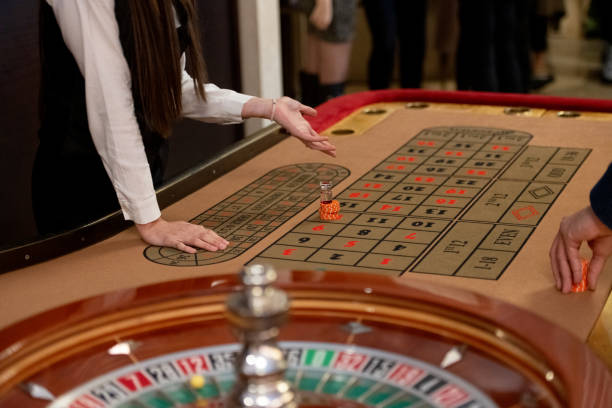
As societies developed, so did the methods of gambling. The ancient Egyptians engaged in betting on the outcomes of athletic events, while the Romans popularized wagering on gladiatorial contests. These early forms of gambling laid the foundation for more complex games, showcasing humanity’s inherent desire for risk and reward.
The Evolution of Gambling Games
Throughout the centuries, gambling games evolved significantly, influenced by cultural and technological advancements. By the Middle Ages, games like backgammon and early forms of card games emerged, popularized in Europe. The invention of playing cards in the 15th century, believed to have originated in China, revolutionized gambling by introducing a new dimension of strategy and skill.
The 17th and 18th centuries marked a golden age for gambling, with the establishment of casinos in cities such as Venice and Monte Carlo. This era saw the rise of games like roulette and baccarat, which continue to be staples in modern gambling establishments. The allure of these games brought gambling into the social spotlight, leading to its widespread acceptance among the upper classes.
Gambling in the Modern Era
The 20th century witnessed a major transformation in gambling, largely due to the legalization of casinos and the expansion of state lotteries. Las Vegas emerged as the gambling capital of the world, attracting visitors with its extravagant resorts and entertainment options. The development of online gambling in the late 1990s further revolutionized the industry, offering players the convenience of playing from home.
As attitudes towards gambling shifted, it became more mainstream, appealing to a broader demographic. However, this increased accessibility raised concerns about problem gambling, prompting the implementation of responsible gaming initiatives. Organizations began to prioritize education and support for individuals affected by gambling addiction, leading to more sustainable practices within the industry.
The Myths Surrounding Gambling
Despite its long history, gambling remains shrouded in various myths and misconceptions. One common myth is that certain games are “due” to win after a losing streak, leading players to chase losses. In reality, the outcomes of games of chance are random, and each round is independent of previous results. Understanding this fundamental principle is crucial for responsible gaming.
Another prevalent myth is that gambling can be a reliable source of income. While some individuals may experience short-term success, the odds are typically against players in the long run. Recognizing gambling as a form of entertainment rather than a viable income source is essential for maintaining a healthy relationship with gaming.

Exploring Online Gambling Resources
As gambling continues to evolve, online platforms offer a wealth of opportunities for enthusiasts. Numerous websites provide comprehensive guides, reviews, and resources to help players navigate the world of online gambling safely and responsibly. From understanding the legality of online gaming to identifying the best strategies, these resources are invaluable for both novices and seasoned players.
Additionally, many platforms emphasize responsible gaming practices, ensuring that users are aware of the risks involved. By offering tools for self-exclusion and limits on gameplay, these websites aim to create a safer gambling environment, fostering a community that prioritizes well-being alongside entertainment.